AI features your users actually use, in apps that ship.
Adding AI is the easy part. The hard parts come after launch: getting results users trust, keeping API bills in line with revenue, and handling the moments the model gets it wrong. I build mobile apps where AI does a real job, and I’ve taken them to the stores and kept them running.
Who this is for
- You have an app idea where AI is the core. Recognising something from a photo, understanding speech, or analysing what a user enters.
- You have a live app and want to add AI without rebuilding it or blowing up your costs.
- You’ve tried an AI app builder or a prototype, and it works in a demo but not for real users.
What I build
Photo recognition.
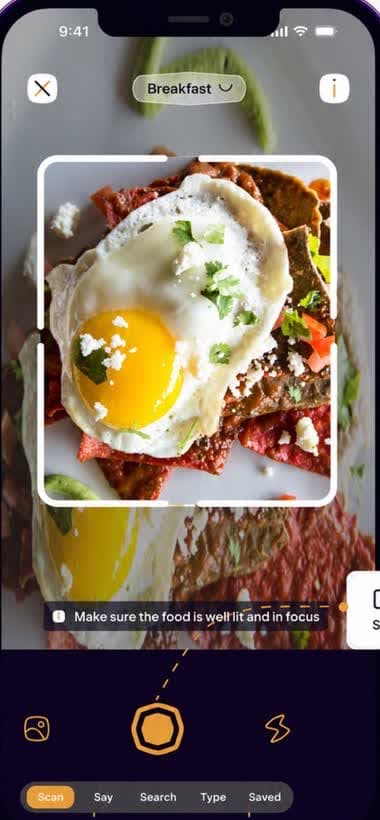
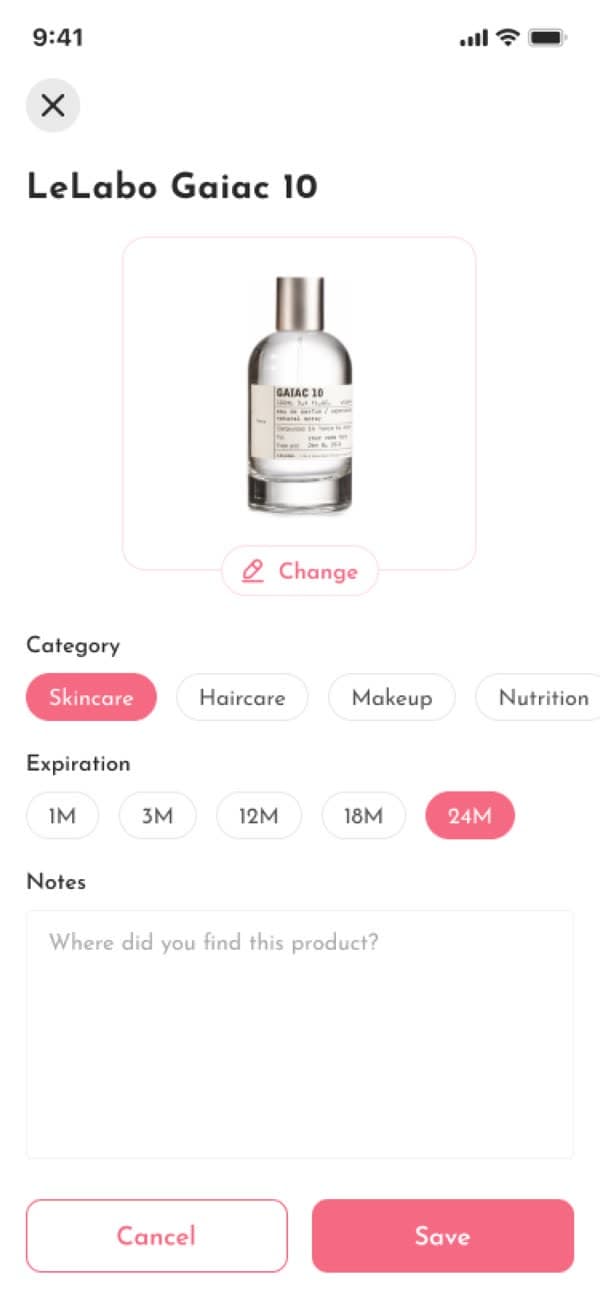
A user points the camera at a meal, a product or a label, and the app works out what it is. SlimAI turns a meal photo into calories, macros and ingredients. Spyra Beauty identifies a beauty product from a picture. INCI reads a cosmetic ingredient list and explains whether it suits the user.
Voice and text input.
The user says or types “two eggs and toast”, and the app logs it properly.
Analysis and coaching.
Weekly summaries, suggestions and reports generated from the user’s own data.
Generated content.
Images or text created from the user’s content, like Spyra’s AI art from a user’s product collection.
Paywalls around AI.
Free limits, subscriptions and upgrade prompts, so heavy AI use is paid use.
How I approach it
AI suggests, the user confirms.
Models make mistakes. In SlimAI every AI result is editable before it’s saved. Users correct the few misses instead of losing trust in the whole feature.
Cost is designed in, not discovered later.
Every AI call costs money. In SlimAI, free users get three photo scans a day, and the count is kept on the server, not the phone, so reinstalling the app doesn’t reset it. AI spend stays tied to paying users.
The right model for each job.
I pick the model per feature, based on accuracy, speed and cost, and keep it swappable. I’ve shipped features on Google’s Gemini and OpenAI’s GPT models, and switching later shouldn’t mean a rewrite.
Keys and data stay protected.
API keys shouldn’t ship inside an app, and a feature should only send the data it needs. I design AI features around both.
Proof
All work
SlimAI
An AI nutrition app. Photo meal logging, voice logging, AI coaching and subscriptions. 10K+ downloads, 7 languages.
10K+ downloads


Spyra Beauty
A social beauty app with AI product and receipt scanning, and AI art generation. 50K+ downloads, 4.7★.
50K+ downloads · 4.7★
Also: INCI, where you scan a cosmetic’s ingredient list with the camera and AI explains whether it suits you and why.
“His coding skills are top tier, but what truly sets him apart is his sense of ownership. He treats this project as if it were his own.”
Questions clients ask
Can’t I just build my app with ChatGPT or an AI app builder?
For a prototype, often yes. For an app with real users, payments and App Store review, usually not. Builders get you a demo quickly. They struggle with edge cases, security, store rejections and changing things six months later. I often start from a founder’s prototype and turn it into something that holds up.
How much does it cost to add AI to an app?
There are two parts: building the feature, and running it. Building depends on how much of the app has to change around the AI (camera flows, editing screens, paywalls). Running cost depends on how often users trigger the model and which model you use. I design free limits and caching so running costs track revenue, and I’ll estimate both after a short call.
What if the AI gets it wrong?
It will, sometimes, so the app should expect it. I design every AI feature so users can see and correct the result, and so a failed call shows a clear message instead of a broken screen. Wrong answers are a UX problem to design for, not just a model problem.
Which AI model do you use?
The one that fits the feature. I’ve shipped production features on Google Gemini and OpenAI GPT models. I compare accuracy, speed and cost on your real use case, and keep the choice swappable.
Can you add AI to my existing app?
Yes. I start by reading your code and data flow, then add the AI feature behind the scenes without disturbing what works. Usually that’s an API on your backend plus new screens in the app.
Will AI features slow my app down?
They shouldn’t feel slow. I show progress while the model works and cap how long a request can take. I also do as much as possible before the AI call, like cropping images or reading text on the device, so requests stay small.

Have an AI feature in mind?
Tell me what it should do for your users. I’ll tell you how I’d build it, what it will cost to run, and where it could go wrong.
Prefer Upwork? Hire me on Upwork